Art therapy is a specialized mental health program that uses the art of creativity to enhance one’s physical, mental, and emotional health and well-being. Art therapy is much more than just making “arts and crafts” or “having fun.” It is a clinical methodology for addiction treatment that is facilitated by master-level clinicians who will help you to better interpret your creativity and the emotions associated with creating.
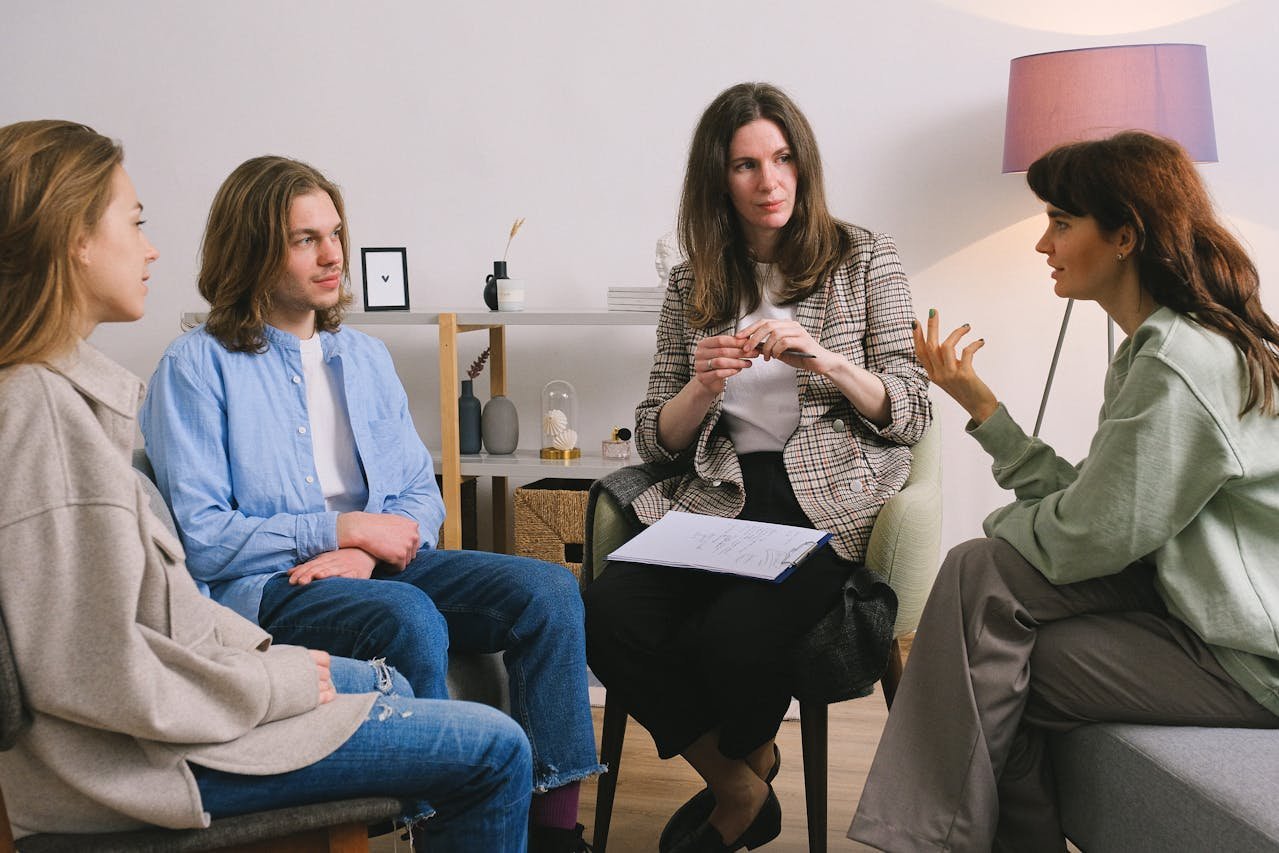
Art therapy is open to anyone, regardless of age or artistic ability. Individuals who suffer from “alexithymia” (the inability to identify emotion) will find significant benefit from art therapy, as this is common in those with substance use disorders.[1] The art therapy will take place in a safe and comfortable environment, either in small groups or individually.
At Agape, we integrate art therapy with traditional talk therapies (such as CBT) to promote healing. While talk therapy uses the analytical side of your brain, art therapy engages the creative side of your brain. By using both types of therapies, you engage both sides of your brain for total healing and are able to achieve breakthroughs that would take months to achieve through only talking.
How (and Why) Art Therapy Works
Addiction can often lead to feelings of isolation and repression. If you have struggled with addiction for a long time, it is likely that you have used substances to suppress feelings or painful memories from childhood. As you begin to recover from addiction and work through the recovery process, you may experience a flood of emotions that come to the surface once you have let down your defenses. Art therapy will provide an outlet for those emotions.
Bypassing Defense Mechanisms
When we communicate verbally, we tend to edit our words to make them “acceptable.” When you are using art to express your feelings, these verbal defenses are bypassed. Your subconscious takes over the moment you pick up a piece of paper, pencil, or clay to create. For example, you may be using dark colors to represent a memory or jagged lines as a means of expressing anxious emotions. The therapist may ask you about a certain shape in your art, which can open up a conversation about feelings that may have been closed.
Externalizing the Problem
One of the main tenets of art therapy in treating addiction is the concept of externalization. While you are experiencing emotions, they are part of you, so they feel like they are “you.” However, once you create a representation of the feeling on canvas or in clay, it becomes separate from you. You can see it, speak to it, and make changes to it. The mere act of separating the feeling from yourself is empowering. You will now see “I am a person who is struggling with addiction” as compared to “I am an addict.” The struggle with addiction is now something you can observe and manage.
Regulating the Nervous System
The act of creating (moving a paintbrush, kneading clay, shading a drawing) is inherently calming. The rhythmic and repetitive movements of creating art help to decrease the amount of cortisol in the body and help to balance the nervous system.[2] Creating art for clients in early recovery from substance use will provide a safe haven for them to allow their bodies to relax after going through the high level of anxiety they will experience using the substance.